



Isolde: ‘A different move than usual’.
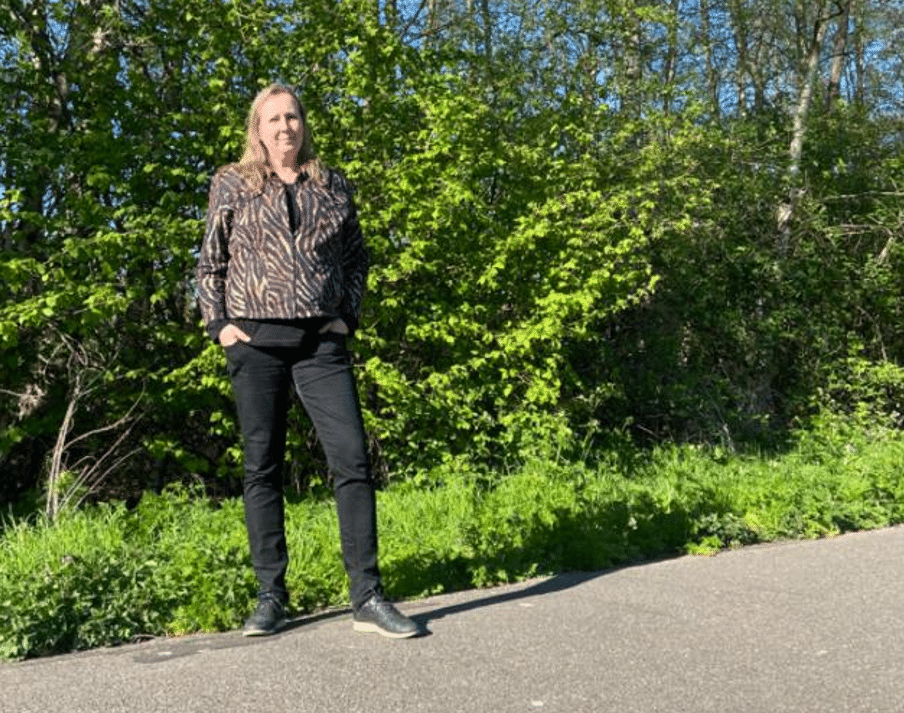
By now the son (12) of Isolde Brasz enjoys himself at a school for 10-14 education. The road there was not easy. In fact it was a rather tough period. After an incident at primary school he stayed home for a while and his mother faced a Duty of care report.
Read all about the Staat van de Ouder 2022 on our theme page
“It does not leave you cold. You really get a trauma from it,” says Isolde. After an incident, her 6-year-old son was suspended from primary school. She objected, and he stayed home. Then the primary school made a secondary school transition test report. “That has followed us all these years. Luckily, I was finally proven right that there was no serious threat to my child’s development.” Isolde says she often felt discouraged. “You come under a magnifying glass, and you get the idea that if they want to, they can always find something.”
Pressure
According to Isolde, we can learn a lesson from her situation. “Give a secondary school transition test report less quickly when a child stays home, because that puts so much pressure on a family. With that policy, you break parents. I can imagine other factors play a role, but it can be really different. We already had a general educationalist and child psychiatrist involved. Then I think: first check if extra help can solve the situation.”
My son was in bad condition. He was scared and lay under his bed or sofa all day. When I worked with him, he had a short attention span.
Attention span
The period when her son had homeschooling was not easy. “My son was in bad condition. He was scared and lay under his bed or sofa all day. When I worked with him, he had a short attention span. It got so bad that homeschooling came at the cost of our bond.” Luckily, she received help. “There was help from an educationalist. I also got a lot of support from the Advies Centrum Thuiszitters. Also for arranging practical help and cost issues.”
Trust
It worked, because after two years her son could return to school. “There was a place at a school for Special education in Purmerend. I had heard good reports about it. He came with shadow guidance in the class.” That means the guide supports the child in class like a shadow. “It went very well because he can learn well. The shadow guidance was phased out. That is how his trust was regained.”
10-14 education
Still, something had to change later. The students in the group needed more help than he did. “Suddenly this new school came up: 10-14 education. And I thought: that could be something. I signed him up and he could come right away.” The school teaches from group 6 of primary school until the end of first year of secondary school. “There is a clear plan. The day starts with coaching talks. Then they follow different subjects and in the afternoon they can work independently. The difference with a normal secondary school is that they work more on projects. They can work things out in groups, present, or do research.”
If he had gone to a regular secondary school, he would have had to switch twice in a row. From Special primary education to regular primary education and a year later to secondary education. That would have been very difficult. Now there is time and continuity and that makes this switch very different in every way.
Challenge
This education works well for her son. “It has a lot of challenge for him and he needs that. He does not practice the same math problems every day, he really hated that. It is very nice, the variety, because he never had that before.” The optimism is right, because the results keep up. “According to the Cito tests, he reached havo/vwo level and he was the best in the group. Very nice of course.” She also notices that her son has a different attitude. “He really comes home with stories and he did not at all before. That he thinks about the material and comes with questions. Before he barely said anything about school. He is much more enthusiastic now.”
Parent contact
The contact with the school is good. “Every now and then there is a closing of a project and then parents are invited for a long afternoon where you can see student presentations. That is really very nice and well attended. There are also individual talks about progress. They take time for that: usually fifteen minutes, but that quickly turns into half an hour.”
Afterwards
Her son is doing very well now, but there are certainly things he can still work on. “He still finds it hard to explain things. He understands a lot, but writing it down himself is a bit harder for him. Luckily he does very well and can stay for two more years.” He still has some time to think about what he will do next. “He will probably switch to havo/vwo level, but he still needs time to explore.” Seen that way, it is a big advantage that he does not have to make rushed decisions. “If he had gone to a regular secondary school, he would have had to switch twice in a row. From Special primary education to regular primary education and a year later to secondary education. That would have been very difficult. Now there is time and continuity and that makes this switch very different in every way.”
The son of Isolde Brasz.