



Main conclusions state of education.
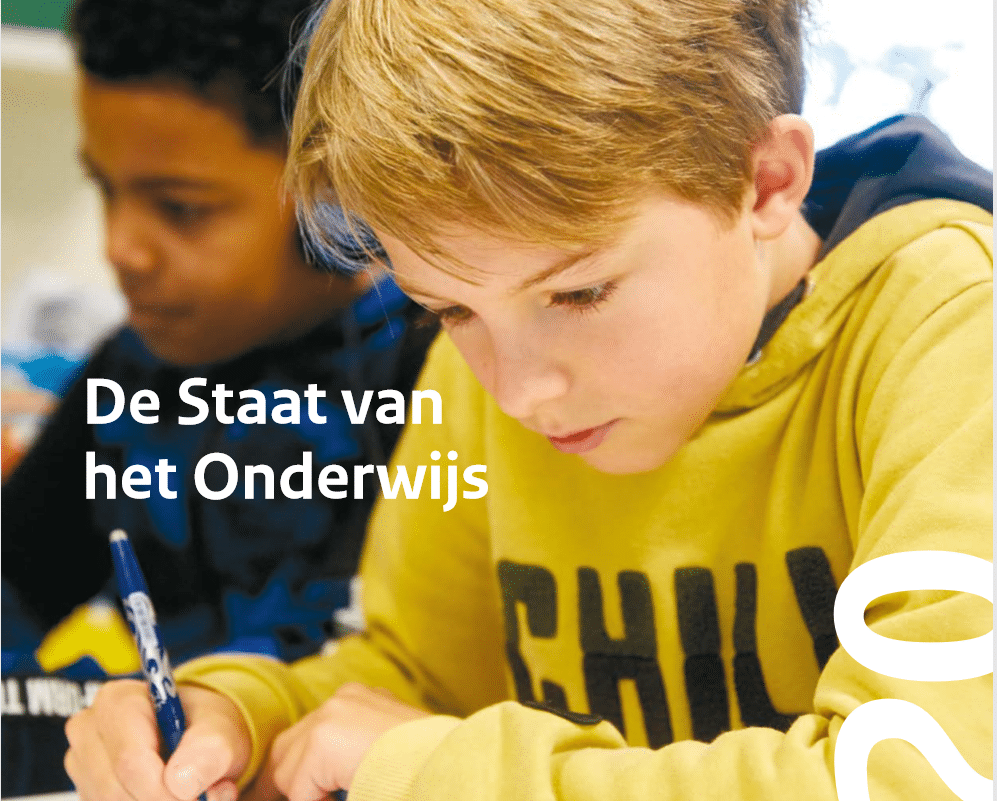
Dutch students still perform reasonably well on average, but the pressure is increasing. Reading skills are declining, there are large quality differences between schools, and inequality of opportunity remains the same. The teacher shortage increases pressure on education, and there is also a growing group of students who do not receive enough tailored education. These are some conclusions from the annual report De Staat van het Onderwijs, published last week.
More Suitable Diplomas
Dutch education is still good on average. For young people in the Netherlands, education connects well with the job market in many cases, especially compared to other countries. More young people get a diploma at the level that fits their previous education, especially in mbo. It is remarkable that more students leave without a diploma due to the favorable job market.
Learning Performance Under Pressure
Students’ learning performance is under pressure. Especially reading skills among 15-year-olds have dropped. One quarter of 15-year-olds in the Netherlands cannot read well enough to keep up in society. Boys score lower than girls, but boys do better in the job market than girls.
Large Quality Differences
All students have the right to good education and equal chances for a suitable offer. In many cases, this works. Most schools and institutions have sufficient quality. But there are still, sometimes large, differences in quality between schools and institutions. Inequality of opportunity in Dutch education stays large but does not increase further.
Problems Around Tailored Education
There is a growing group of students without a suitable place, seen for example by the number of students who stay at home. It is not always clear how big the group is that does not get the needed extra support. This is partly because many students do not have a development perspective plan.
Pressure On Education Increases
The shortage of teachers and school leaders puts the quality of education under pressure. Shortages are bigger at very weak schools. The shortage is also unevenly spread: schools with a more challenging student population have more vacancies. The shortage is larger in the Randstad and big cities. The Education Inspectorate thinks it is likely that the teacher shortage will harm education quality and student performance. Other factors adding pressure are shrinking student numbers, a changing job market, and a shift to private education.
Focus Of Future Education
With rising pressure, the question is asked more what education should deliver. The Education Inspectorate sees some consensus about this. Important points are:
- Every student leaves education (digitally) literate and numerate;
- Every student knows themselves and can make choices independently;
- Every student contributes to social cohesion in society;
- Every student succeeds in follow-up education and the job market;
- Every student has equal chances and a suitable offer.
The Education Inspectorate calls on all education parties to make a joint future agenda based on this.
Staat van de Ouder Postponed
At the same time as De Staat van het Onderwijs, Ouders & Onderwijs planned to publish De Staat van de Ouder. This shows what parents think about Dutch education. This year, the focus is on tailored education. Due to corona measures, the extra care needed to inform parents well, and because the topic deserves attention, we decided to postpone the publication of De Staat van de Ouder. There is no final date yet, but we expect the publication to be online before the summer holidays. Follow our updates to stay informed.
Read more about De Staat van het Onderwijs.

Sign up for our bi-weekly newsletter!
Receive the latest news, tips and experiences.