



Everything you want to know about self-tests in education.
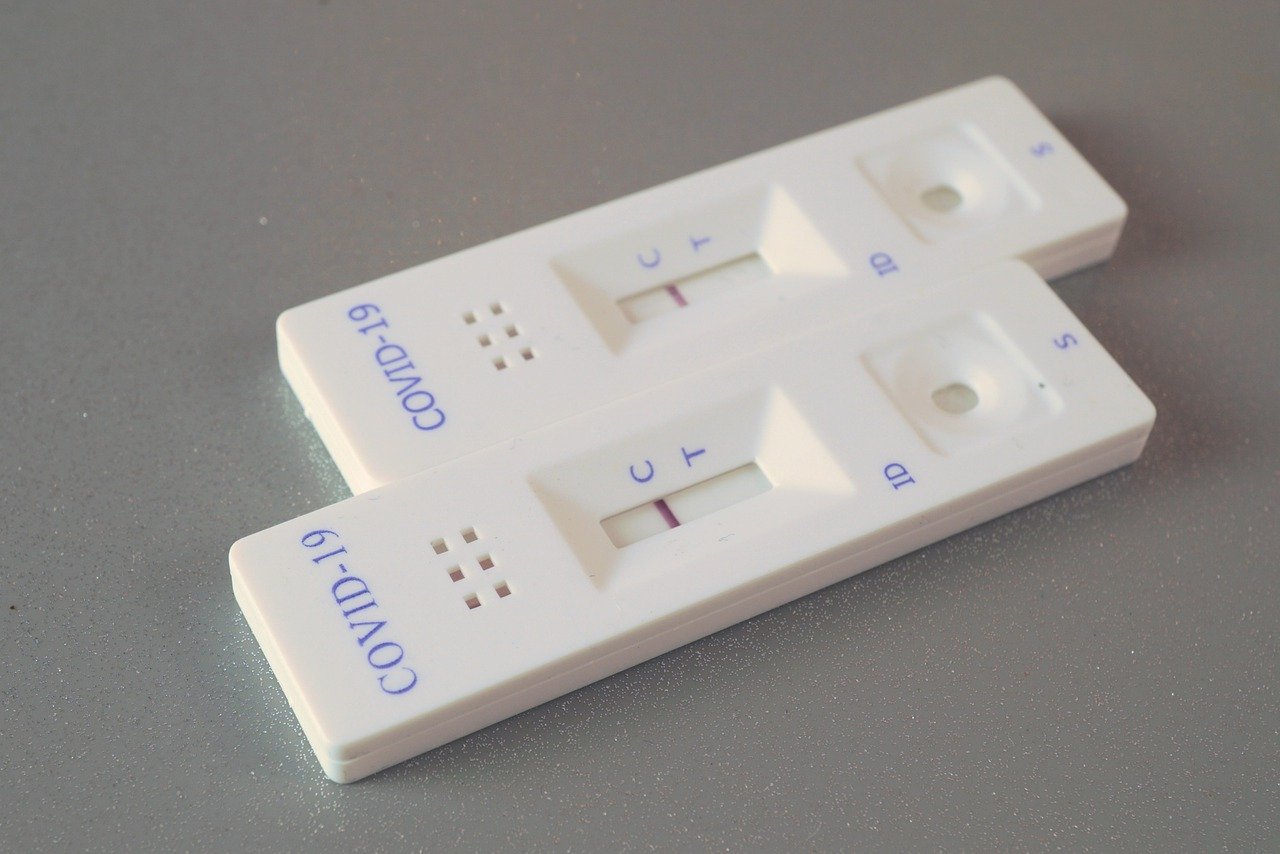
At the last press conference on 26 November, it was decided to extend the existing measures in education. For all secondary school pupils and pupils in groups 6, 7 and 8 of primary school, the advice is to test preventively twice a week. These self-tests are available at school. Mainly to ensure safety and prevent coronavirus infections. The advice is to do this self-test twice a week. Use is always voluntary.
Go directly to our frequently asked questions about self-tests.
Goal
The goal of self-tests is to detect unnoticed coronavirus infections as soon as possible and so limit the spread of the coronavirus at school. Self-tests are meant for (still) non-immune people without corona symptoms. Participation in self-tests is always voluntary.
Corona-related symptoms
Self-tests are also suitable for people with corona-related symptoms. The OMT advised this based on recent scientific research. Minister of Health, Welfare and Sport (VWS) Hugo de Jonge follows this advice. People with corona-related symptoms can now take a self-test or go to the GGD. A GGD test is always needed after a positive self-test. With this advice, it is expected that more people will test themselves when they have symptoms.
The self-test cannot be used to end quarantine (after close contact, BCO, or travel area) and is not suitable for people with a vulnerable health.
Self-tests in primary and secondary education
For pupils in groups 6, 7 and 8 in primary education and special primary education, and all pupils in secondary education, the following advice applies: do a preventive self-test at home twice a week, if necessary with the help of parents or other caregivers. If the test is positive, the pupil and the rest of the household go into quarantine and get tested at the GGD test location. This urgent test advice applies to everyone, including vaccinated people. The self-tests are given to take home; no self-tests will be taken by school from pupils.
For pupils from groups 6, 7 and 8 and their parents/caregivers, this will take some getting used to. In most cases, the parents/caregivers will do the test for their child; some children will be able to do it themselves after a few times under supervision. Use is always voluntary.
Mbo
Students at mbo also use self-tests. The advice for students remains to use them preventively. Use is always voluntary.
Preventive testing for caution and safety
To start with, self-tests are meant for preventive use. Infection among pupils or staff can be detected quickly and the spread of the coronavirus can be prevented. The self-test is an extra tool to increase safety at and around school so that education can continue.
Specifically for secondary special education and the practical education track
In secondary special education and the practical education track, some pupils need help to do the test well. School management can then choose from several scenarios. All vso and pro schools have received information about this from the ministry by letter.
How can Ouders & Onderwijs help you?
Do you have questions about education? Are you angry or worried about your child’s situation at school? Call or email us. We are here for all parents with children of school age. We help parents with information, education and advice about everything related to education, such as the impact of corona on education, tailored education, bullying at school and the rights of parents. We also defend the interests of parents towards politics, the education sector and in the media.
Biweekly newsletter
Want to know more? Sign up for our biweekly newsletter full of current information about developments in education, useful tips, familiar stories and interesting webinars.
Do you want to give your opinion and discuss education? Please do! Sign up for the Landelijk Ouderpanel! We regularly research parents’ views on various topics. You always have the choice whether to participate or not.
Related Subjects
Test willingness among parents limited
Despite growing concerns about corona infection at school, a quarter of parents are not willing to have their child tested after a positive case in the class. They prefer a quarantine of 10 days. Another 24% want testing only if the child has symptoms. Parental willingness to test is limited. These numbers come from research by Ouders & Onderwijs among parents of school-aged children.
Read moreSelf-tests for secondary school students
From next week, self-tests will be available for students in secondary special education, allowing them to test themselves preventively for the coronavirus. Testing is voluntary and can never be a condition for students to participate in education. This was announced by the Ministry of OCW Tuesday afternoon.
Read moreSecondary schools fully open from 31 May
All secondary schools can be fully open for students from Monday 31 May. From 7 June, this is required. Students do not need to keep one and a half meters distance from each other anymore. The cabinet makes this decision based on advice from the Outbreak Management Team.
Read more
Sign up for our bi-weekly newsletter!
Receive the latest news, tips and experiences.