



What costs do I have when my child goes to school?.
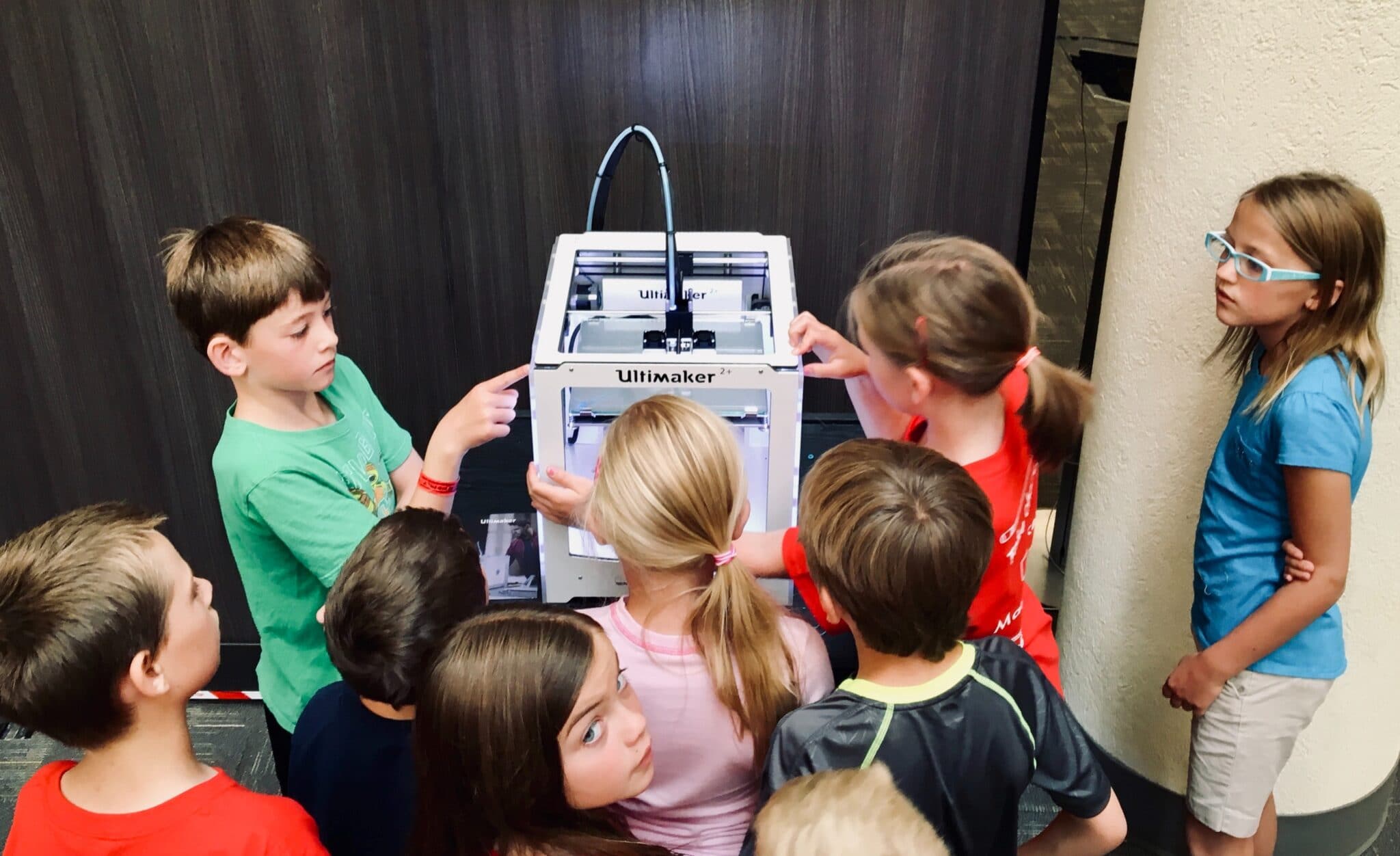
The starting point in Dutch education is that parents do not have to pay to send their child to school. They do not pay school fees for primary and secondary education. Schools can ask parents for a financial contribution, but it is always voluntary. Still, parents often have other school costs. How does that work?
The principle in Dutch education is that parents do not have to pay to send their child to school. Schools can ask parents for a financial contribution, but it is always voluntary. The money is used for activities or materials not part of the compulsory curriculum. The school guide must state that the parental contribution is voluntary, how much the contribution is, and what it is used for.
Still costs for school?
Yes, that can happen, especially in secondary education. Personal materials that last longer than a year, such as an atlas, a dictionary, a calculator, notebooks, and pens, must be bought and paid for by parents. The school pays for all teaching materials a student needs for a specific year. If the school wants to do something extra and asks parents to pay, it is allowed but always voluntary. Every student can participate, whether parents pay or not. Read also which school costs there are.
Lunch supervision (midday care) and continuous schedule
If parents decide to let their child stay at school during lunch, they pay a contribution for the costs of supervision and food. Parents are required to pay these costs. They are not part of the voluntary parental contribution. The school can decide how much this contribution is. Usually it is a few euros per day. The school participation council must agree on the amount.
At schools with a continuous schedule, all students stay at school during the lunch break. The school is then responsible for supervising the students. The teaching staff supervises during lunch. There is no midday care in this case. Parents do not have to pay a lunch supervision contribution. A voluntary contribution may be asked for the costs.
Deposit for free schoolbooks?
Schools can ask parents for a deposit for the free schoolbooks. This is to ensure students take good care of the books. The deposit is voluntary. A deposit can be asked only under these conditions:
- Parents must clearly understand what the deposit arrangement involves and how the school handles damage to books.
- The school participation council agrees to the deposit arrangement.
- The school ensures the student has schoolbooks at the start of the school year even if parents do not want to pay the deposit.
- The school remains responsible for providing free schoolbooks, even if it hires a book supplier.
If you as a parent agree to the deposit arrangement, you must follow it.
Buying a laptop or tablet not required for parents
Schools cannot require parents to buy a laptop or tablet for their child. Parents cannot require schools to have tablets and laptops. If a school replaces (most of) the schoolbooks with digital material, the school must provide this material. The school can ask a voluntary contribution from parents for this. Parents do not have to pay if they do not want or cannot. The school must then provide other suitable materials.
What is required, what is not?
If something is mandatory, costs are for the school and not parents. Parents have no free choice to find the product or service cheaper elsewhere. For example, compulsory use of a locker or a certain brand and type of laptop or tablet.
Extra activities, excursions, school camp or school trip?
The school can ask for a contribution for many things besides the voluntary parental contribution on an invoice. But this contribution is always voluntary, except for personal materials lasting longer than a year. If you do not pay, the school cannot exclude your child from use or participation.
Questions?
Read everything you need to know about school costs and the voluntary parental contribution. Do you still have questions? Always talk first with the school. If you cannot resolve it, contact our advice point on weekdays at 088 6050101 or by email: vraag@oudersenonderwijs.nl

Sign up for our bi-weekly newsletter!
Receive the latest news, tips and experiences.